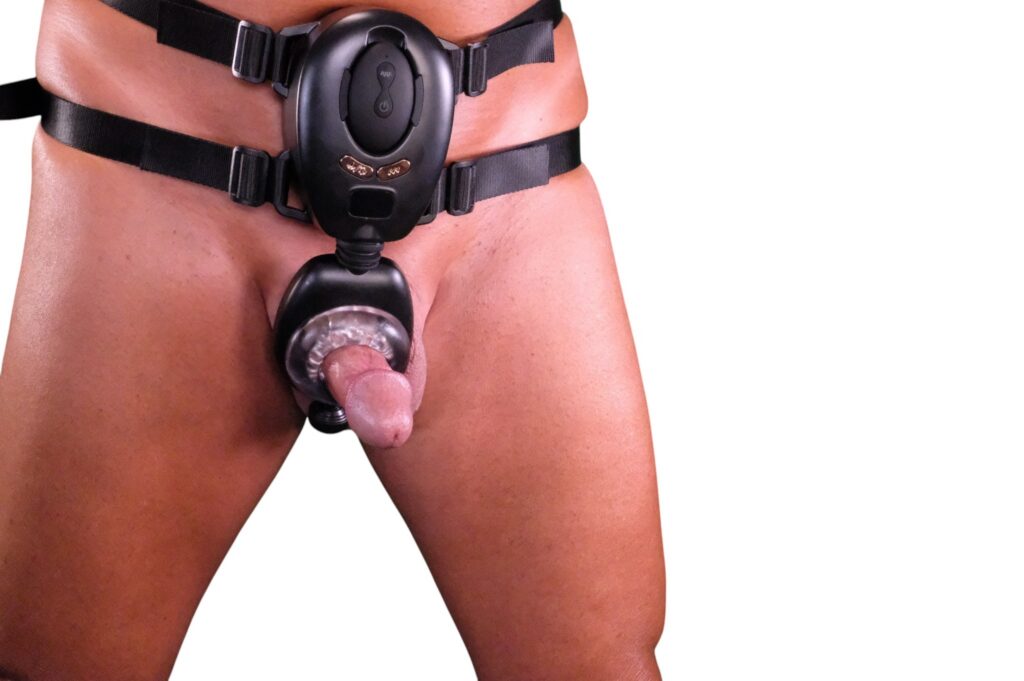
Practicing Chastity: The Complete Guide to Male Chastity, Self-Control, Relationships, and the Chastity Lifestyle
Understanding Why More Men Are Exploring Chastity and What Makes the Experience So Appealing
Male chastity is a fascinating subject that combines physical restraint, psychological excitement, personal discipline, relationship dynamics, and, for some men, an entirely new way of experiencing their sexuality.
What was once considered a relatively obscure fetish has become increasingly visible through online communities, specialty chastity products, and growing discussions about alternative lifestyles. Men from many different backgrounds are discovering that practicing chastity can be about much more than simply wearing a device that prevents normal sexual activity.
For some, chastity is a temporary adventure. For others, it becomes an important part of their relationships, sexual identity, or daily routines. Some men practice chastity independently, while others enjoy giving a trusted partner control over when they are allowed to remove their device.
There are men who enjoy chastity as an expression of submission, others who appreciate the feeling of physical containment, and still others who use chastity as a way of exploring femininity, reducing the appearance of their genitals, or challenging traditional expectations of masculinity.
The motivations are remarkably diverse.
The most important thing to understand about practicing chastity is that there is no single correct way to experience it. It should be a voluntary, informed choice that respects personal boundaries, physical safety, and individual preferences.
This guide explores the different approaches to male chastity, the psychology behind its appeal, the available devices, relationships involving chastity, and how men can safely experiment with this increasingly discussed lifestyle.
What Does Practicing Male Chastity Actually Mean?
At its simplest, male chastity means voluntarily restricting certain forms of sexual activity, particularly masturbation or genital stimulation.
Historically, chastity was frequently associated with religious commitments, abstinence, and moral expectations. Modern male chastity, especially within adult relationships and fetish communities, often has a very different meaning.
Today, chastity may involve wearing a specialized device that encloses the penis and limits access to it.
These devices are commonly called male chastity cages, penis cages, or chastity devices.
Depending on their design, they may restrict direct stimulation, limit expansion during erections, or make certain sexual activities difficult without removing the device.
However, chastity does not necessarily mean eliminating sexual desire.
In fact, for some practitioners, the opposite is true.
The psychological awareness of being restricted can make sexual anticipation a central part of the experience.
A man practicing chastity may remain interested in intimacy, romance, and physical affection even while choosing to restrict certain sexual activities.
Some individuals also practice chastity without wearing any physical device, relying instead on personal agreements or self-imposed rules.
This distinction is important because chastity is ultimately a practice or agreement, not simply a product.
Why Do Men Want to Practice Chastity?
One of the most interesting aspects of male chastity is the variety of reasons men find it appealing.
There is no universal psychological explanation, and not every man experiences chastity in the same way.
1. The Excitement of Giving Up Control
For some men, the greatest attraction is voluntarily surrendering control over an intimate part of their lives.
They may enjoy allowing a wife, girlfriend, husband, boyfriend, or other trusted adult partner to decide when the chastity device is removed.
Within consensual adult relationships, this arrangement is sometimes called keyholding.
The person wearing the device is often called the wearer, while the person holding the key is known as the keyholder.
For men who enjoy submissive relationship dynamics, the symbolism can be especially meaningful.
The device becomes a reminder of an agreement between partners.
However, surrendering control as part of consensual role-play does not mean surrendering the right to withdraw consent. The wearer must always retain a reliable way to remove the device when necessary.
2. The Psychological Appeal of Restriction
Some men enjoy the feeling of being physically contained.
For these individuals, the experience is not necessarily about a partner controlling them.
Instead, it is about the sensation and symbolism of wearing a device that restricts access to their genitals.
They may find the experience intriguing because it is different from their ordinary sexual routines.
Others appreciate the challenge of exploring a new type of body awareness.
3. Sexual Anticipation
Anticipation can be a powerful part of human sexuality.
For some couples, periods of voluntary chastity become part of a broader intimacy agreement.
They may enjoy discussing expectations, establishing boundaries, and deciding together when to end a period of restriction.
Some people report that this creates a heightened sense of anticipation.
Others find that chastity has little effect on their sexual interest or even reduces their enjoyment.
Both reactions are normal.
Chastity should not be presented as a guaranteed way to improve intimacy or increase desire.
4. Personal Discipline and Self-Control
Not every man who practices chastity does so for explicitly sexual reasons.
Some view it as a personal exercise in discipline.
They may choose to avoid masturbation or particular sexual habits for a defined period.
For these individuals, a chastity device may serve as a physical reminder of a personal commitment.
However, chastity devices are not medically established treatments for compulsive sexual behavior, and using them should not replace appropriate professional support when sexual behavior is causing significant distress.
5. Exploring Submission and Feminization
Another group of men incorporates chastity into consensual feminization or sissy lifestyles.
For these individuals, the appeal may involve moving away from traditional masculine expectations.
Some enjoy the appearance of having a smaller genital profile, while others use chastity alongside feminine clothing, panties, spandex outfits, or specially designed swimwear.
For these men, chastity can become part of a broader exploration of gender presentation.
Importantly, enjoying chastity or feminine clothing does not automatically mean someone is transgender, gay, bisexual, or interested in permanently changing their body.
Sexual interests, gender identity, and gender expression are separate aspects of a person’s experience.
The Different Ways Men Practice Chastity
There are several approaches to chastity, ranging from simple personal commitments to elaborate consensual relationship arrangements.
Self-Imposed Chastity
In self-imposed chastity, the individual establishes his own rules.
He may decide to avoid masturbation for a certain period or wear a chastity device occasionally.
There is no outside keyholder.
The individual remains responsible for deciding when to begin and end the practice.
This approach appeals to men who prefer privacy and independence.
Partner-Controlled Chastity
Partner-controlled chastity involves two consenting adults agreeing that one partner will act as the keyholder.
This may be part of an existing dominant-submissive relationship or simply an occasional shared activity.
The keyholder may help establish mutually agreed expectations concerning duration, removal, and intimacy.
Successful arrangements depend on communication, mutual respect, and the ability of either partner to change or end the agreement.
Occasional Chastity
Many men have no interest in wearing a chastity device continuously.
Instead, they incorporate it into occasional private activities.
A device might be worn briefly during a planned period of role-play and then removed.
For beginners, short, supervised periods are generally more appropriate than extended wear.
Long-Term Chastity
Some experienced practitioners describe wearing chastity devices over longer periods.
Online discussions sometimes refer to weeks, months, or even permanent chastity.
However, these claims should not be confused with evidence that extended or continuous wear is medically safe.
Prolonged confinement can increase the risk of skin damage, impaired circulation, hygiene problems, urinary difficulties, and nerve injury.
There is no medically established safe duration for continuous chastity-device wear.
Permanent chastity should be understood as a fantasy or relationship concept, not a medically advisable goal for continuous physical confinement.
Understanding Male Chastity Cage Designs
Modern chastity devices come in an enormous variety of shapes, sizes, materials, and configurations.
Some designs emphasize comfort and simplicity, while others focus on appearance, concealment, or a particular fetish aesthetic.
Traditional Male Chastity Cages
Traditional cages generally feature a base ring and a protective enclosure surrounding the penis.
The ring helps hold the device in place, while the cage restricts access to the shaft.
These are among the most recognizable male chastity designs.
Micro Chastity Cages
Micro chastity cages have become a particularly prominent category in specialty chastity stores.
They feature compact enclosures intended to create a minimal external profile.
Some men appreciate their discreet appearance under clothing, while others enjoy the psychological symbolism of wearing a very small cage.
A smaller cage is not automatically a better or safer cage.
Excessive compression can cause significant injury, and a device should never be selected simply to force the penis into an unnaturally small space.
Inverted Chastity Cages
Inverted cages are designed to position the penis inward rather than allowing it to extend into a conventional outward-facing enclosure.
These designs are particularly interesting to men who enjoy a flattened genital appearance.
They are sometimes incorporated into feminization and gender-expression activities.
However, inward pressure and compression introduce additional safety concerns, particularly involving circulation, skin integrity, and urination.
Men should not attempt to force their anatomy into an inverted device.
Open and Ventilated Cages
Some cages feature open structures that allow greater access for cleaning and visual inspection.
These designs may make it easier to notice irritation or skin changes.
Nevertheless, ventilation does not eliminate the risks associated with prolonged wear.
Solid Chastity Devices
Solid devices offer more complete coverage.
They may be manufactured from metal, plastic, resin, or other materials.
Because they cover more skin, cleanliness, moisture accumulation, and fit deserve particular attention.
Chastity Belts and Harness Systems
Some devices incorporate belts or harnesses designed to help maintain positioning.
These systems can be more elaborate than conventional ring-and-cage arrangements.
They may appeal to people who enjoy the appearance or symbolism of a more extensive restraint system.
Any straps or belts must avoid excessive pressure and must be removable quickly.
Why Micro and Inverted Chastity Cages Attract So Much Interest
Within the specialty male chastity market, micro and inverted designs have developed a particularly enthusiastic following.
Part of their attraction comes from appearance.
Traditional male chastity cages often preserve a recognizable outward genital profile.
Micro and inverted designs take a different approach.
They may minimize the visible outline of the penis, creating a flatter appearance under clothing.
For some men, that is precisely the effect they want.
A man who enjoys wearing tight spandex leggings, small swimwear, or feminine clothing may prefer a less prominent front profile.
Other men appreciate these designs because they symbolically challenge conventional expectations surrounding penis size and masculinity.
In some fetish communities, the appearance of being small or nearly flat becomes part of the appeal.
However, these preferences should not be confused with physical penis reduction.
A chastity cage does not safely or reliably shrink the penis permanently.
Attempts to achieve permanent reduction through prolonged compression can result in injury rather than controlled anatomical change.
Practicing Chastity and the Feminine Male Lifestyle
For some adult men, chastity is closely connected to an interest in feminine presentation.
They may enjoy wearing feminine underwear, fitted clothing, or MTF-style swimwear.
A compact genital profile can be an important aesthetic preference.
Some men enjoy the feeling of temporarily setting aside traditional masculine expectations.
Others incorporate chastity into consensual sissy role-play.
This might involve dressing in feminine clothing, adopting a more submissive role, or allowing a trusted partner to help choose outfits and establish agreed boundaries.
For some, this is primarily a private fantasy.
For others, feminine presentation is an everyday form of self-expression.
And for still others, it may be part of a broader exploration of gender identity.
There is no requirement that someone practicing chastity must adopt a particular gender presentation.
Likewise, a man can enjoy feminine clothing without having any interest in chastity.
The two activities may overlap, but they are not inherently connected.
Chastity and MTF Transformation Swimwear
Specialty MTF swimwear and transformation underwear offer another way to explore a flatter or more feminine front appearance.
Some designs use compression panels, shaping materials, or specially constructed pouches to reduce the visibility of the penis.
Other designs create the visual impression of feminine anatomy.
These garments are distinct from chastity devices.
A shaping swimsuit is primarily intended to change appearance, while a chastity cage is intended to restrict access or movement.
Combining the two may create additional pressure, particularly around the base ring, groin, and surrounding skin.
Men interested in both should be especially cautious about circulation, comfort, and urinary function.
For many people who simply want a smooth feminine appearance, a properly fitted shaping garment may be a more practical choice than a rigid chastity device.
Chastity Within Marriage and Long-Term Relationships
One of the most discussed aspects of male chastity involves couples who incorporate it into their relationships.
In some marriages, the husband introduces the subject because he finds the idea exciting.
In others, a wife or partner expresses curiosity about becoming a keyholder.
Some couples discover that chastity fits naturally into an existing dominant-submissive dynamic.
Others experiment briefly and decide it is not for them.
Why Some Wives and Girlfriends Enjoy Being Keyholders
A partner may enjoy the feeling of being trusted with an intimate responsibility.
Some appreciate the playful authority associated with keyholding.
Others find the arrangement interesting because it encourages conversations about desires and boundaries that might otherwise remain unspoken.
There are also partners who simply enjoy the novelty of trying something different together.
However, not every woman or partner will find chastity appealing, and no one should feel obligated to participate.
The Importance of Communication
Before introducing chastity into a relationship, couples should discuss several practical questions.
- What does each person hope to experience?
- Is the arrangement intended to be sexual, symbolic, or both?
- How long will each session last?
- Who has access to the removal mechanism?
- What happens if either person becomes uncomfortable?
- How will privacy, hygiene, and medical safety be handled?
The answers should be clear before any device is worn.
A keyholder should never withhold access to removal when the wearer requests it.
Consent must remain ongoing, and a safe removal method must always be available.
How to Begin Practicing Chastity
For someone curious about chastity, the most sensible approach is gradual experimentation.
There is no need to immediately purchase an elaborate device or commit to a lengthy period of wear.
Step 1: Understand Your Motivation
Begin by considering what interests you about chastity.
Is it the idea of self-control?
The physical sensation of containment?
The possibility of sharing control with a partner?
An interest in submission?
Or the appearance of a smaller genital profile?
Understanding your motivation helps you decide whether a physical device is even necessary.
Step 2: Start Without a Device
A simple voluntary agreement to avoid a particular sexual activity for a short period can provide an introduction to the psychological aspects of chastity.
This approach avoids the physical risks associated with a restrictive device.
It can also help you determine whether the concept is genuinely appealing.
Step 3: Research Device Safety
If you decide to explore a physical device, prioritize materials, fit, removability, and hygiene over appearance.
Avoid devices with sharp edges, rough seams, questionable coatings, or unreliable locking systems.
Materials that can be thoroughly cleaned are generally preferable.
Because genital anatomy varies considerably, there is no universal size that works for everyone.
Step 4: Keep Initial Wear Brief
A first experience should be short and allow frequent inspection.
Do not sleep in a device during an initial trial.
Never ignore pain, numbness, discoloration, swelling, or difficulty urinating.
These are warning signs, not normal challenges to overcome.
Step 5: Evaluate the Experience
After removing the device, consider whether you enjoyed the experience.
Was it comfortable?
Did it create the psychological effect you expected?
Would you prefer a different design?
Would practicing chastity without a device be more enjoyable?
There is no requirement to progress toward smaller cages or longer periods of confinement.
Chastity Device Safety: What Every Man Needs to Know
Because chastity devices enclose sensitive genital tissue, safety deserves serious attention.
The penis and surrounding structures contain blood vessels, nerves, and delicate skin.
Excessive pressure can interfere with circulation or damage tissue.
Poorly fitted devices may also cause friction, inflammation, or swelling.
Warning Signs That Require Immediate Removal
A chastity device should be removed promptly if any of the following occurs:
- Pain, burning, or significant discomfort
- Numbness or loss of sensation
- Unusual swelling or discoloration
- Coldness of the penis or surrounding tissue
- Broken skin, bleeding, or sores
- Difficulty passing urine
- Signs of infection
If a device cannot be removed, or if there is severe pain, marked swelling, discoloration, or inability to urinate, seek emergency medical care.
Do not attempt to cut a metal device off yourself using household tools.
Hygiene Is Essential
The genital area naturally accumulates sweat, oils, and moisture.
A device that traps these substances can increase the risk of irritation and infection.
Regular removal for cleaning and skin inspection is important.
The device should be cleaned according to its material and manufacturer instructions and thoroughly dried.
Never assume that a device is safe for continuous wear simply because it has ventilation holes.
Urination Must Remain Unrestricted
A chastity device should never interfere with normal urination.
Restricted urine flow, difficulty emptying the bladder, or pressure around the urethra can create serious problems.
Men who already experience urinary retention, prostate-related urinary symptoms, recurrent urinary infections, or who use urinary catheters should avoid constrictive genital devices unless a qualified clinician has specifically assessed the risks.
Erections and Nighttime Wear
Erections occur naturally, including during sleep.
A restrictive device may cause discomfort or pressure when an erection develops.
For this reason, sleeping in a chastity cage introduces additional risks, especially because warning signs may go unnoticed.
Avoid Extreme Tightness
One misconception within some chastity communities is that the smallest possible cage is automatically the most desirable.
From a health perspective, this is incorrect.
A device that compresses genital tissue excessively can cause injury.
Comfort and circulation must always take priority over achieving a particular appearance.
The Psychology of Practicing Chastity
Perhaps the most interesting part of chastity is what happens psychologically.
Many people assume that chastity is primarily about preventing sexual activity.
For some practitioners, however, the physical device is only one component of the experience.
The larger attraction involves anticipation, identity, trust, control, or personal symbolism.
Chastity as a Reminder
A man may view his device as a reminder of a voluntary agreement.
This agreement might be with himself or a partner.
The psychological significance may be greater than the physical restriction.
Chastity and Submission
For men who enjoy submissive roles, chastity can become a symbolic expression of trust.
The wearer may appreciate the feeling of allowing another person to participate in decisions concerning intimacy.
In a healthy arrangement, this occurs within clearly established boundaries.
Submission does not eliminate personal autonomy or the right to stop.
Chastity and Masculinity
Some men are attracted to chastity because it challenges traditional expectations of masculinity.
Popular culture frequently associates masculinity with sexual performance, dominance, and genital size.
Chastity can offer an alternative experience.
A man may find it interesting to temporarily reject those expectations.
Others may enjoy a smaller genital appearance or a more feminine presentation.
Neither preference determines a person’s worth, gender identity, or sexual orientation.
Chastity and Body Acceptance
Some men use chastity as part of exploring a different relationship with their bodies.
A man who prefers a small genital profile may enjoy that appearance without wanting to change his anatomy permanently.
Others may discover that their enjoyment has little to do with size and much more to do with control or symbolism.
Chastity should never be used as a punishment for having a particular body type.
Healthy exploration is based on personal choice rather than shame.
Can Practicing Chastity Become a Lifestyle?
For some adults, chastity remains an occasional activity.
For others, it becomes part of a larger relationship structure or personal identity.
A couple might incorporate symbolic keyholding into their everyday routines.
An individual might enjoy wearing chastity-themed jewelry or maintaining personal commitments without physically wearing a device.
Others may participate in online communities where people discuss their experiences, compare products, and share perspectives.
The term chastity lifestyle can describe these broader practices.
However, making chastity part of everyday life does not require continuous physical confinement.
In fact, separating the psychological experience from constant device wear can help reduce health risks.
A lifestyle can be meaningful without involving increasingly restrictive equipment.
Common Myths About Male Chastity
Myth: Chastity Is Only for Gay Men
False.
Men of different sexual orientations practice chastity.
The interest does not determine whether someone is heterosexual, gay, bisexual, or another orientation.
Myth: Every Man Who Practices Chastity Is Submissive
Not necessarily.
Some men enjoy chastity independently and have no interest in dominance or submission.
Others practice it as part of consensual power exchange.
Myth: Chastity Devices Permanently Shrink the Penis
False.
There is no reliable evidence that wearing a chastity cage safely produces permanent penis reduction.
Prolonged pressure can instead cause tissue damage.
Myth: A Smaller Cage Is Always Better
False.
A cage that is too small can cause dangerous compression.
The goal should never be to tolerate pain or impaired circulation.
Myth: Practicing Chastity Means Giving Up Intimacy
Not necessarily.
Some couples continue to enjoy affection, romance, and other mutually agreed forms of intimacy.
Chastity may restrict certain activities without eliminating emotional closeness.
Myth: A Keyholder Has Absolute Control
False.
Even within a consensual dominant-submissive relationship, the wearer retains the right to stop.
Emergency removal must never depend on another person’s permission.
Myth: Long-Term Chastity Is Always Safe Once You Get Used to It
False.
Familiarity does not eliminate the risks of prolonged compression, skin damage, nerve injury, or urinary obstruction.
The Growing Variety of Male Chastity Products
The expanding range of male chastity products reflects the diversity of interests within the adult chastity community.
At specialty retailers such as Koalaswim.com, customers can explore different cage designs, including conventional, micro, and inverted styles, along with related accessories and harness systems.
Some shoppers are interested primarily in the physical appearance of the device.
Others are looking for products associated with consensual power exchange or feminine presentation.
Still others are simply curious about trying something new.
For retailers, one of the most important responsibilities is helping customers understand that product appearance and physical suitability are not the same thing.
An attractive design may not be appropriate for every anatomy.
The smallest, most restrictive, or most elaborate device is not necessarily the best choice.
Customers should prioritize body-safe materials, proper fit, easy cleaning, and reliable removal.
Frequently Asked Questions About Practicing Chastity
Is practicing male chastity normal?
Consensual adult sexual interests vary widely. Interest in chastity is not inherently a sign of a psychological problem. What matters is whether the practice is voluntary, safe, and compatible with the individual’s well-being.
Can a married man practice chastity?
Yes. Some married couples incorporate chastity into consensual intimacy or relationship role-play. Both partners should be comfortable with the arrangement.
Can a single man practice chastity?
Absolutely. Chastity does not require a partner or keyholder. Some men practice it independently, either with personal agreements or occasional device use.
Do women enjoy having husbands in chastity?
Some do, while others have no interest in it. Preferences vary widely, and it is important not to assume that women generally want control over their partners’ sexual activity.
Can you wear a chastity cage under swimwear?
Some compact devices are designed to be less visible under clothing, including swimwear. However, tight swimwear may increase pressure, and swimming introduces additional hygiene and fit concerns. A shaping swimsuit without a rigid cage may be a safer alternative for achieving a smooth appearance.
Are micro chastity cages comfortable?
Comfort depends on individual anatomy, device design, fit, and duration of wear. Micro cages can create excessive compression and should not be assumed safe because they are small or discreet.
Can chastity make a man more feminine?
Chastity does not change a person’s gender or inherently feminize the body. However, some men incorporate it into their exploration of feminine clothing, gender presentation, or consensual feminization role-play.
Can chastity improve a relationship?
Some couples find that discussing chastity encourages communication and shared exploration. Others may find the practice unappealing or stressful. There is no guarantee that chastity will improve a relationship.
Is it safe to wear a chastity cage all day?
Continuous wear introduces risks involving circulation, skin health, erections, and urination. There is no established universally safe wear duration. Anyone considering extended use should discuss the risks with a qualified healthcare professional.
Does chastity reduce testosterone?
There is no good evidence that ordinary voluntary abstinence or wearing a chastity device causes a sustained, clinically meaningful reduction in testosterone.
Can a man still experience sexual desire while practicing chastity?
Yes. Chastity does not necessarily eliminate libido. Sexual desire and the ability to engage in particular sexual activities are different things.
Can someone stop practicing chastity whenever they want?
Yes. Participation should always remain voluntary. Any device must be removable, and any relationship agreement can be withdrawn.
The Future of Male Chastity
As conversations about adult sexuality, gender expression, and relationship preferences become more open, male chastity is likely to remain a visible subject within specialty communities.
Product design continues to diversify.
Conventional cages now share the market with compact micro designs, inverted configurations, and accessories intended for different aesthetic preferences.
At the same time, there is increasing opportunity for better education about device safety, responsible manufacturing, and the importance of informed consent.
The future of chastity should not simply be about developing smaller cages or more restrictive equipment.
It should also involve improving comfort, reducing injury risks, and helping people distinguish between fantasy and safe physical practice.
For some men, chastity will remain a private curiosity.
For others, it will be a meaningful part of their intimate relationships.
And for those exploring submission, femininity, or alternative expressions of masculinity, chastity may represent one element of a much broader personal journey.
Conclusion: Practicing Chastity Is About Personal Choice
Practicing male chastity can mean very different things to different people.
For one man, it may be a short experiment in self-control.
For another, it may be a consensual activity shared with his wife or partner.
For someone else, it may be connected to feminine presentation, submission, or a preference for a less prominent genital appearance.
There are also men who simply enjoy the unusual symbolism of a chastity device without wanting to incorporate it into every aspect of their lives.
What connects these experiences is personal choice.
Chastity does not have to be extreme, permanent, or physically restrictive to be meaningful.
The healthiest approach recognizes the difference between psychological excitement and physical safety, respects the boundaries of everyone involved, and avoids treating discomfort or injury as evidence of commitment.
Ultimately, practicing chastity is not about proving masculinity, rejecting masculinity, or meeting someone else’s expectations.
It is about understanding your own interests, deciding which experiences are right for you, and exploring them in a safe, informed, and consensual way.
For men who are curious, that understanding is the best place to begin.